A material name is a starting point.
Keep the requested material reference and any proposed substitution separate from assumptions about appearance.
Use the required reference.
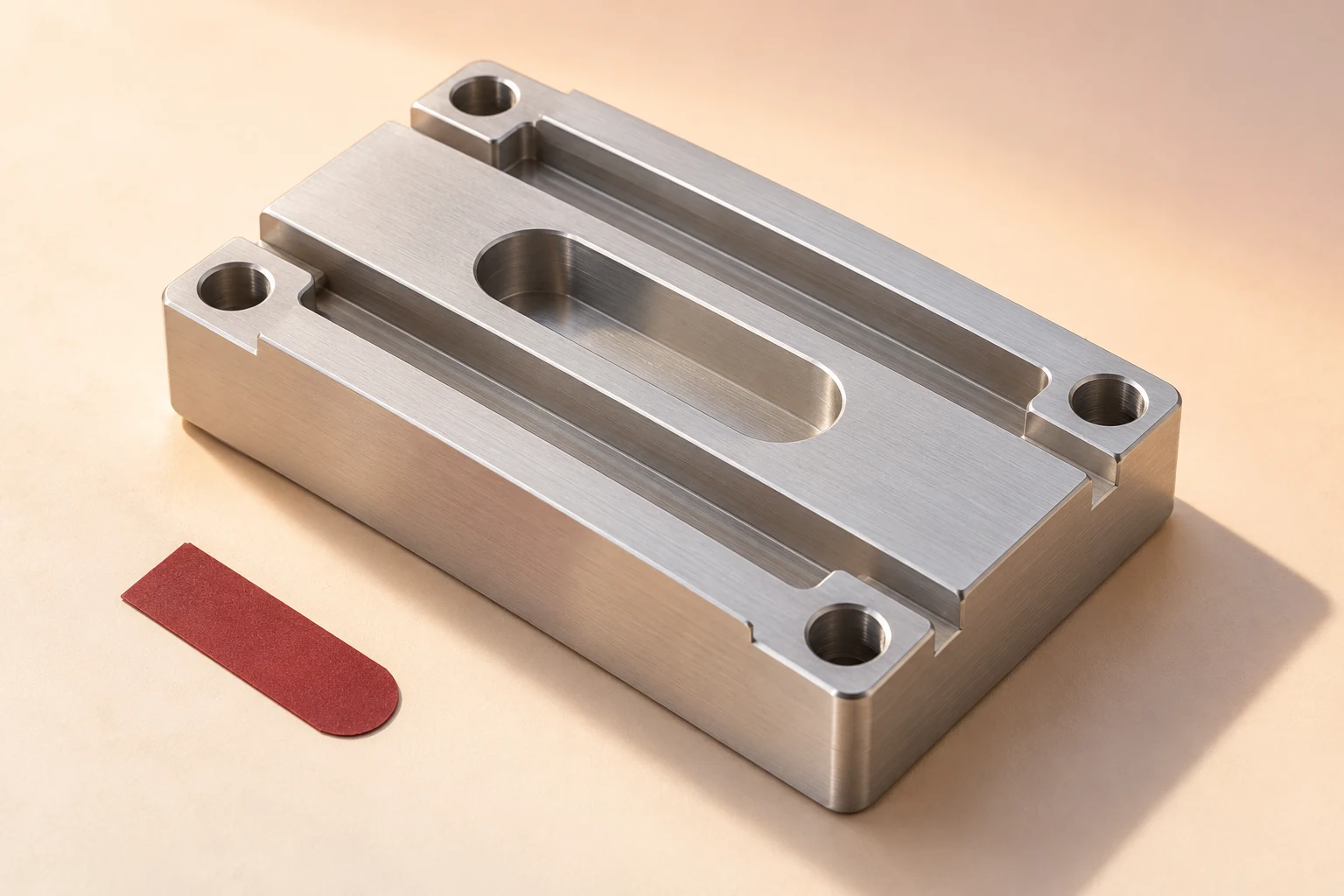
A photograph cannot establish an alloy, grade, condition or traceability history. Ask for the material designation and relevant condition through the authorized project documents. Where supporting evidence is required, agree what record is needed and how it will relate to the part or lot.
Record the source that defines the material requirement. The local desk records a note, not a certificate.
Leave the status unconfirmed and identify who can supply the missing information.
Describe the proposal separately. It remains a discussion point until the responsible people agree.
Do not hide a substitution in a note.
Changing material can change the engineering discussion. Record the proposed alternative and the reason it is being considered, then ask the responsible reviewer about its effect on the requirements. A supplier suggestion should not silently replace the controlling reference.
The template offers no alloy recommendation, equivalence claim or material certification. It cannot establish suitability for a regulated or safety-critical application.
Connect material to the other records.
A sample may show an appearance without proving its material. A finish conversation may require more context about the specified substrate. Keep these relationships in the packet rather than assuming that similar-looking metal parts are equivalent.
Give the next conversation a clear starting point.
Collect the drawing reference, sample relationship and inspection questions in one local working packet.