A sample needs a purpose.
A physical reference becomes more useful when its identity, history and limits are written down.
Define the question first.
Ask what the sample is supposed to help establish. It may support an assembly discussion, a visible-finish comparison or a review of one feature. Those purposes are not interchangeable. A successful conversation about one purpose does not demonstrate that every requirement has been met.
- State whether a sample exists, is requested or has not been considered.
- Give the sample a recognizable reference and describe its relationship to the drawing.
- Record limitations such as unknown history, an earlier revision or a feature that has not been reviewed.
Keep the sample beside the source.
The evidence desk stores a sample note next to the drawing status. This makes a mismatch visible: an earlier reference sample may be useful while still leaving the current drawing unresolved. The site does not label a sample “approved” and does not convert a note into acceptance.
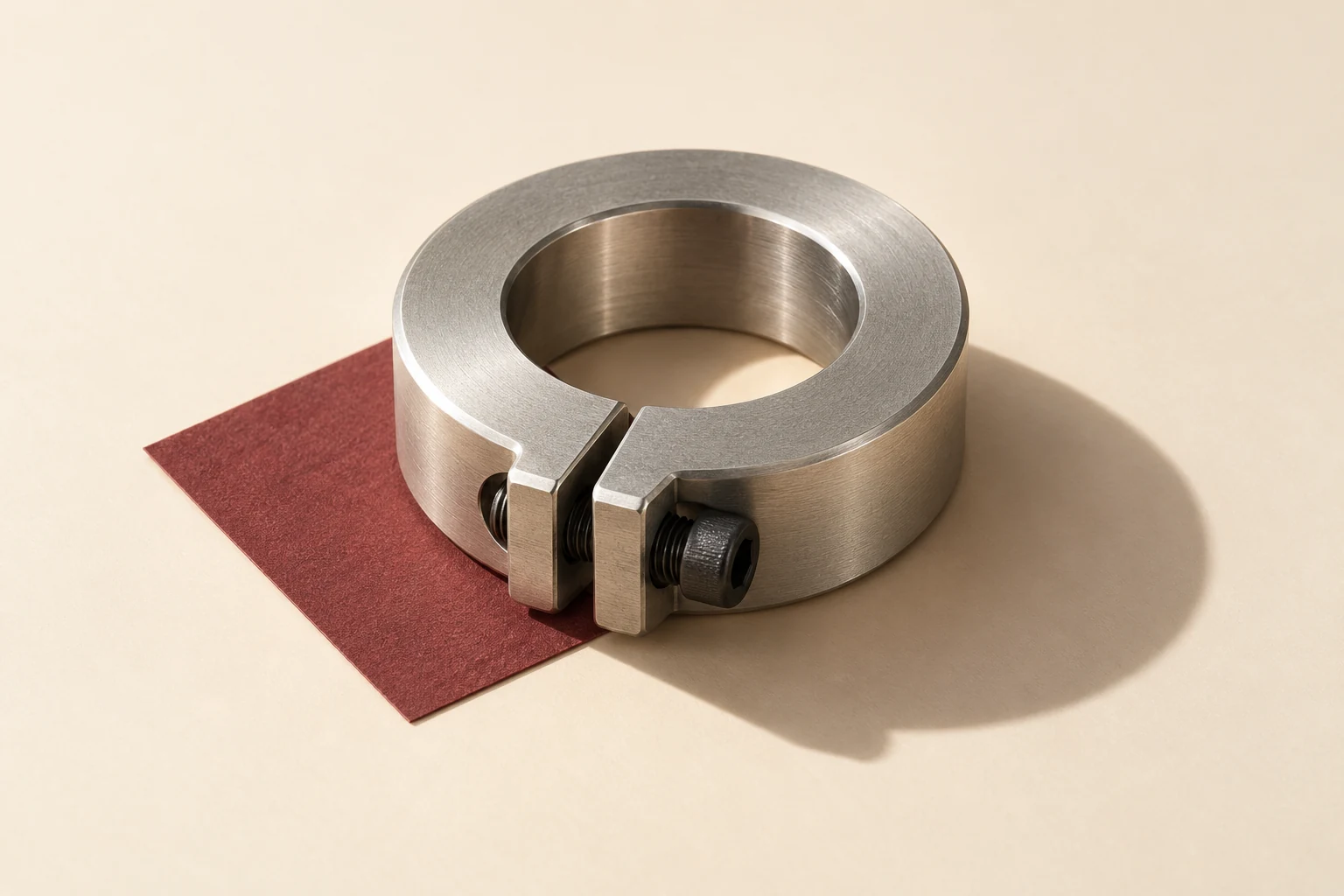
Describe the review, not an assumed result.
Define the purpose, references and people responsible for the decision.
Record observations against the agreed purpose. Keep observations separate from a formal pass or fail.
Use the actual agreed record to document decisions, remaining questions and any next step.
If a sample is requested, the local worksheet can describe the question it should answer. It cannot request shipment, quote a sample price, promise a date or hold production.
Download the blank record.
Use the blank sample-review worksheet as a conversation aid. It is intentionally free of prefilled measurements or approval stamps.
Download blank sample-review record ↓Give the next conversation a clear starting point.
Collect the drawing reference, sample relationship and inspection questions in one local working packet.