SECTION / SYSTEMS
A collection of
independent records.
Search the product identity, DEMO code or question. Family labels organize this fictional collection; they do not establish compatibility, material classification or an approved substitution.
3 product dossiers
No matching record.
Try the product name or DEMO code, or return to the full collection. Another object is not automatically a verified substitute.
- 01
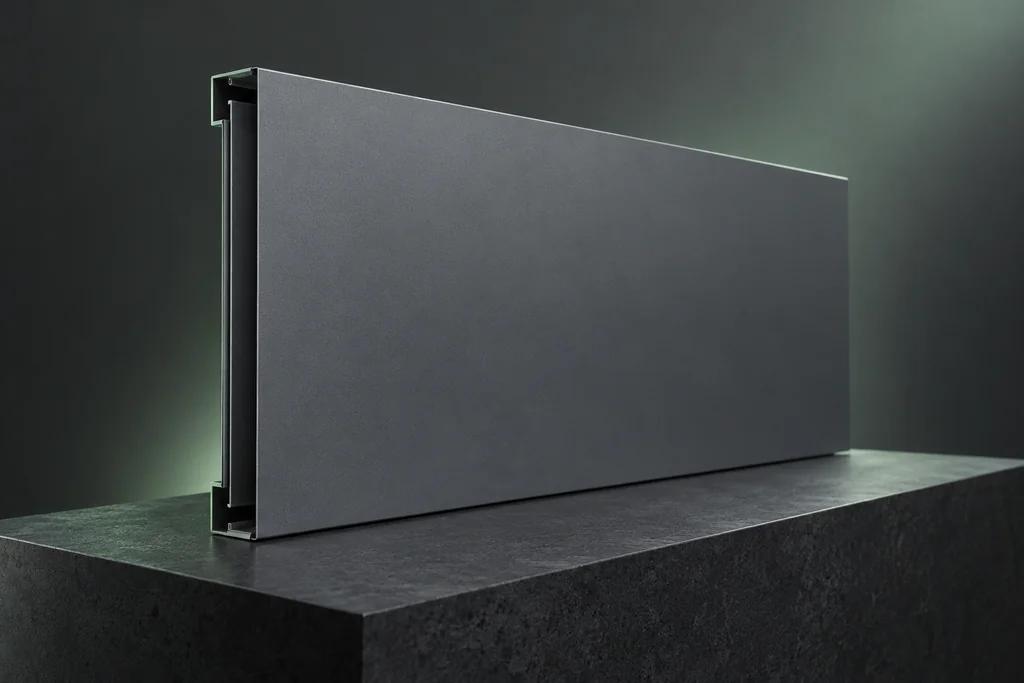 DEMO-SE-01 / Visible module
Face Module
An exterior appearance identity that starts a discussion about the current face source and the scope of a proposed component.
Which current product drawing and scope identify the proposed face module?
Read the independent dossier → - 02
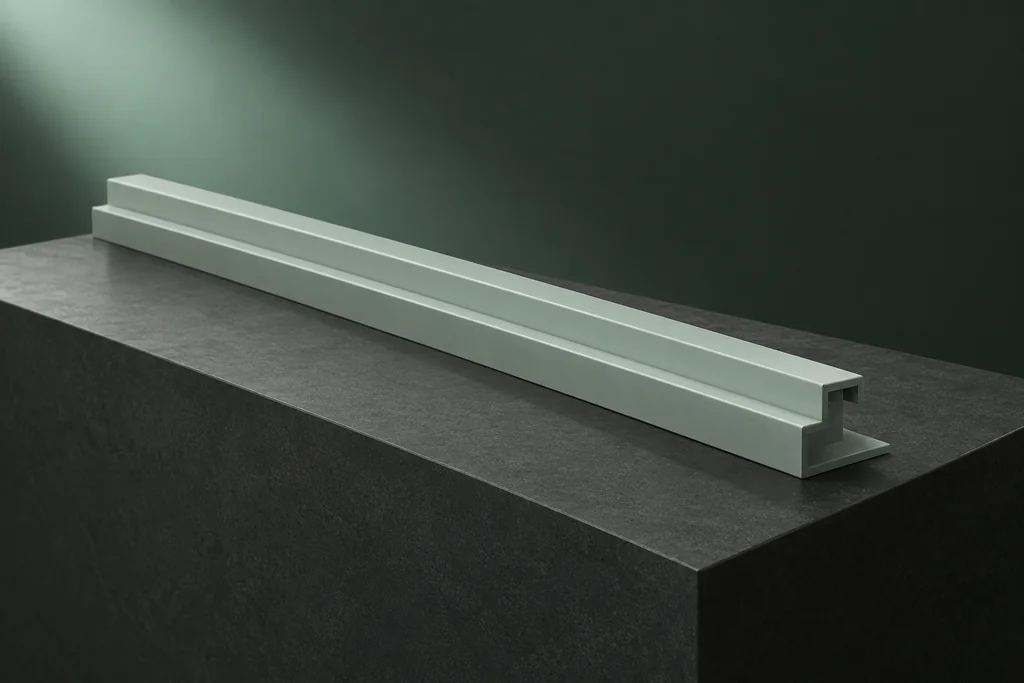 DEMO-SE-02 / Supporting identity
Rail Module
A distinct supporting identity for discussing profile references, counterparts and the system question left open by a standalone image.
Which current profile source and counterpart record describe the rail proposal?
Read the independent dossier → - 03
 DEMO-SE-03 / Junction identity
Joint Module
A junction identity for locating the exact counterpart, drawing issue and applicable scope to be reviewed.
Which junction drawing, counterpart references and current scope belong to the proposal?
Read the independent dossier →
Choose the question as well as the object.
Begin by separating the component identity from the proposed system. Ask which current product and drawing describe the selected module, what counterpart or substrate is under discussion, and which scope the provider says the source covers. Read junction notes without assuming that a face, rail and joint pictured together form an approved arrangement. Test scope should be recorded by subject, issue and applicable conditions rather than reduced to a badge. Before discussing delivery sequence, identify the exact referenced items and their current issues. A revised drawing can change the relation between multiple records, so reopen those questions together. Use the layer study to prepare the local record, then request the actual sources from the responsible provider. The demonstration gives no structural calculations, installation steps or performance recommendations.
Open Layer study