DEMO — fictional range. Local brief only, NOT SENT. No personal data is collected or transmitted.
MATERIAL
Six materials, and what each one is chosen for.
In a frame the material is chosen for how it adjusts and how it wears, then for how it looks. A material that cannot be brought to a face makes every sale an adjustment problem.
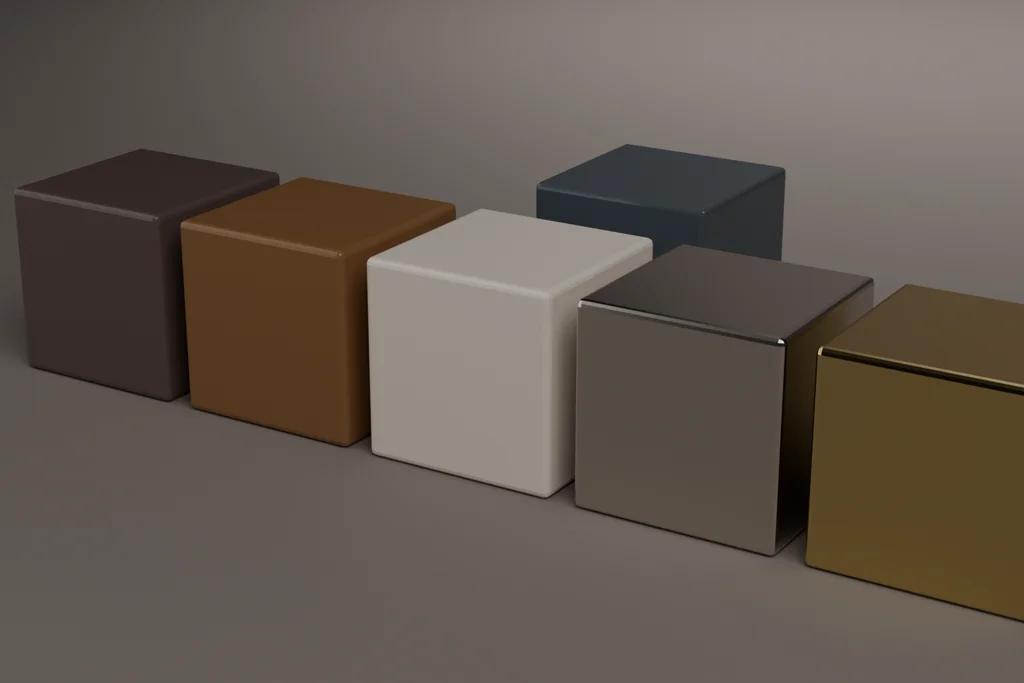
Illustrative material record
- Cellulose acetate
- Frames · adjusts with heat and holds, polishes to a deep finish
- Tortoise acetate
- The same material in a patterned sheet · the pattern is in the block, not applied
- Injected acetate
- Lower cost · moulded rather than cut, so the pattern and the thickness differ
- Stainless steel
- Wire frames · strong per gram, does not take a bend, needs plating
- Titanium
- Light frames · very light and corrosion resistant, difficult to adjust and repair
- Microfibre
- Case lining · soft enough not to mark a coated lens, holds grit if not cleaned
Illustrative examples for a fictional range. Material selection depends on the fit, the market and the price, and is confirmed against a specification rather than a web page.
Why cut and moulded acetate are not the same product.
Because the block has the pattern through its thickness, so a cut frame can be polished back and still show it. A moulded frame has the pattern on the surface, and polishing through it exposes plain material.
Why the lining matters more than the shell.
Because the lining is what touches the lens. A hard shell with a coarse lining protects the frame and scratches the coating, which is the more expensive part.