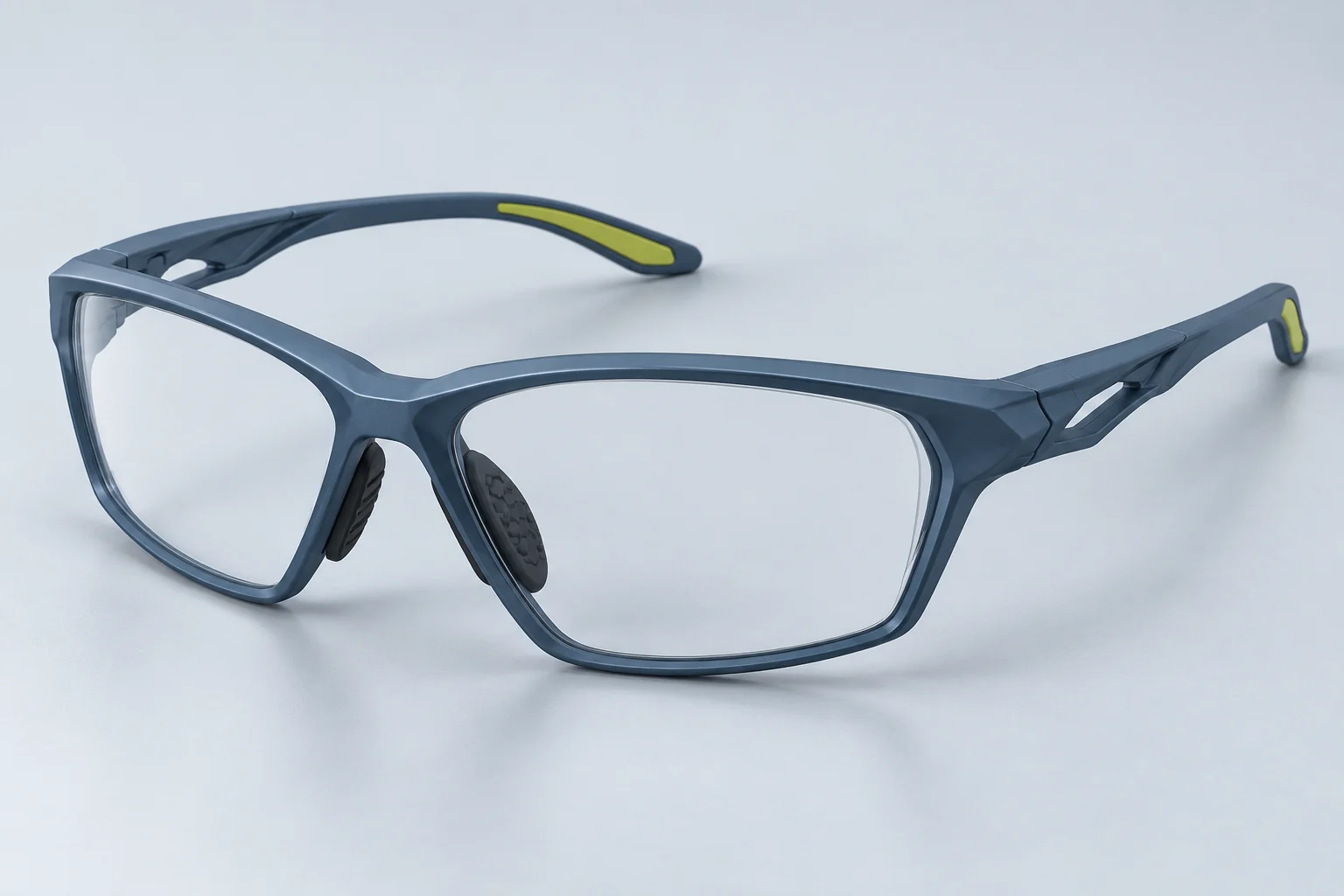
S1 / CONCEPT DOSSIER↗
Vector
Two-lens full rim. A defined full-rim silhouette for a component-led sample conversation.
Open the dossierSports frame concepts / System 01
A frame is only the start. Explore the component, record the revision, and make the next sample round easier to discuss.
Start a component reviewIllustrative design studies.
Reference labels do not prove compatibility.
01 / Frame studies
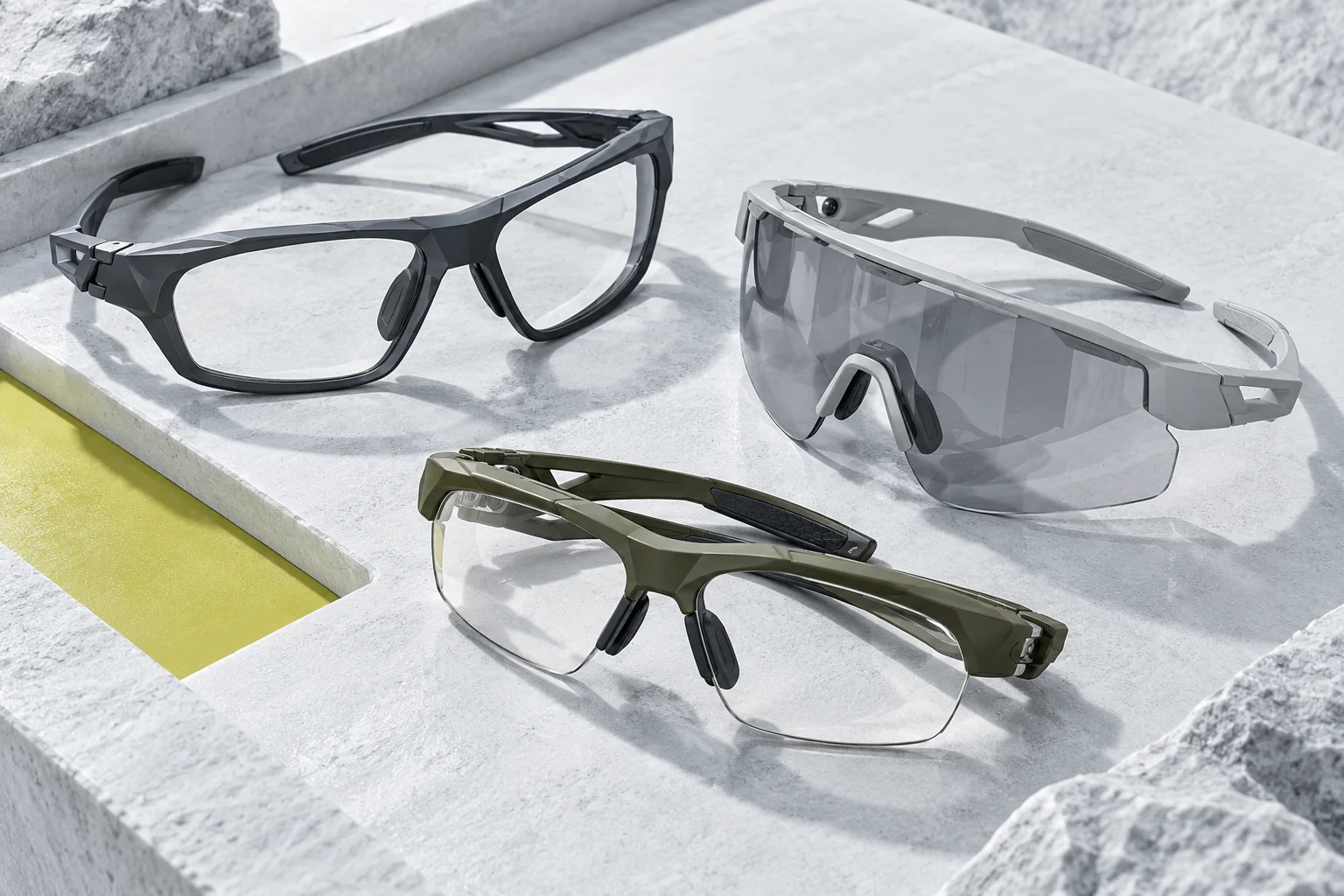
Begin with a silhouette. The useful detail comes next: the interface, the sample identity and the evidence still missing.
Two-lens full rim. A defined full-rim silhouette for a component-led sample conversation.
Open the dossier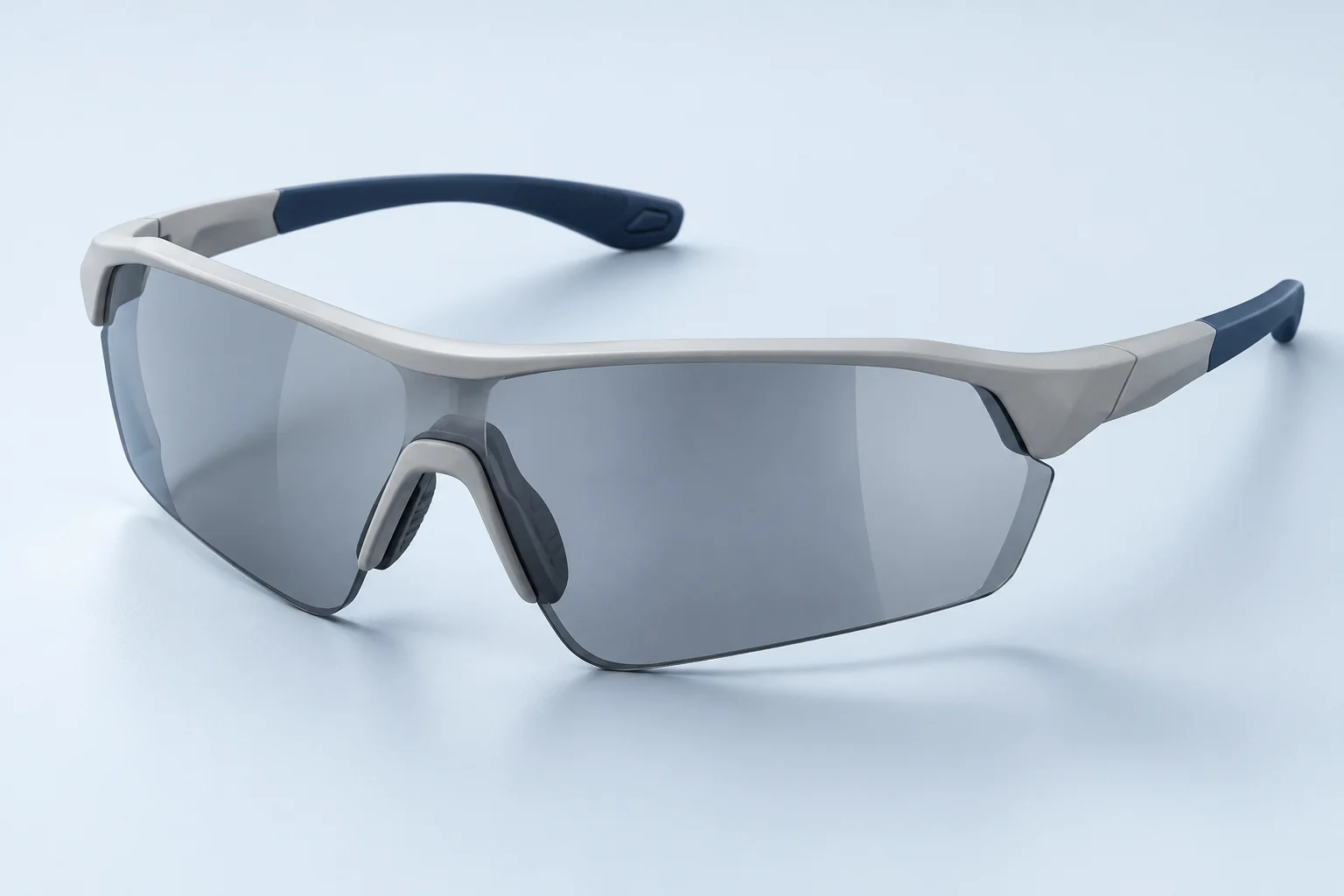
Single shield concept. A continuous shield study that keeps lens and component assumptions visible.
Open the dossier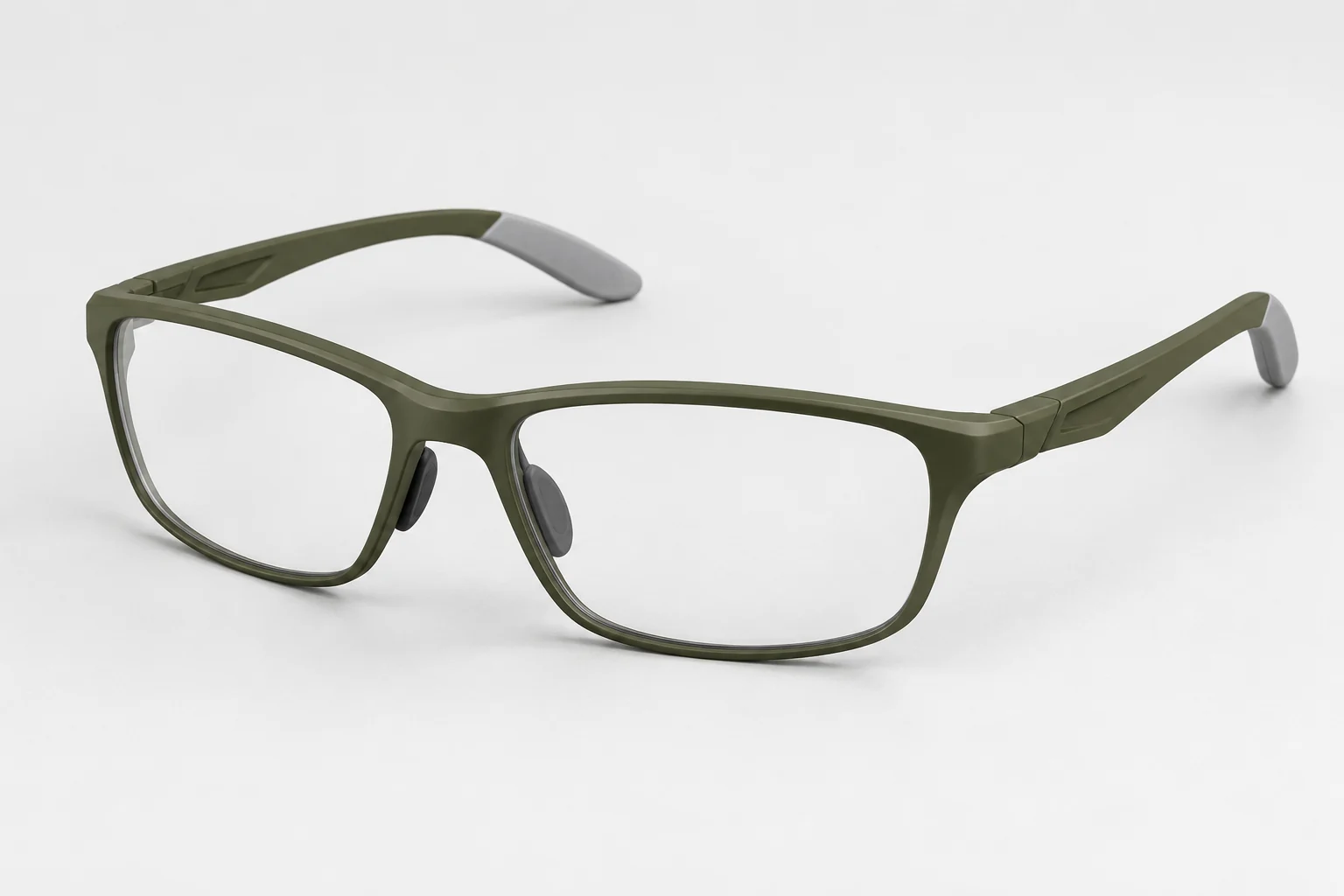
Compact full rim. A compact proportion study for a deliberately narrower sample comparison.
Open the dossier02 / Component board
Connect a frame revision to a nose saddle, temple-tip pair or hinge-cover question. Matching labels remain a reference pair. Conflicts and missing mappings stay visible.
Build a review line How the reference status works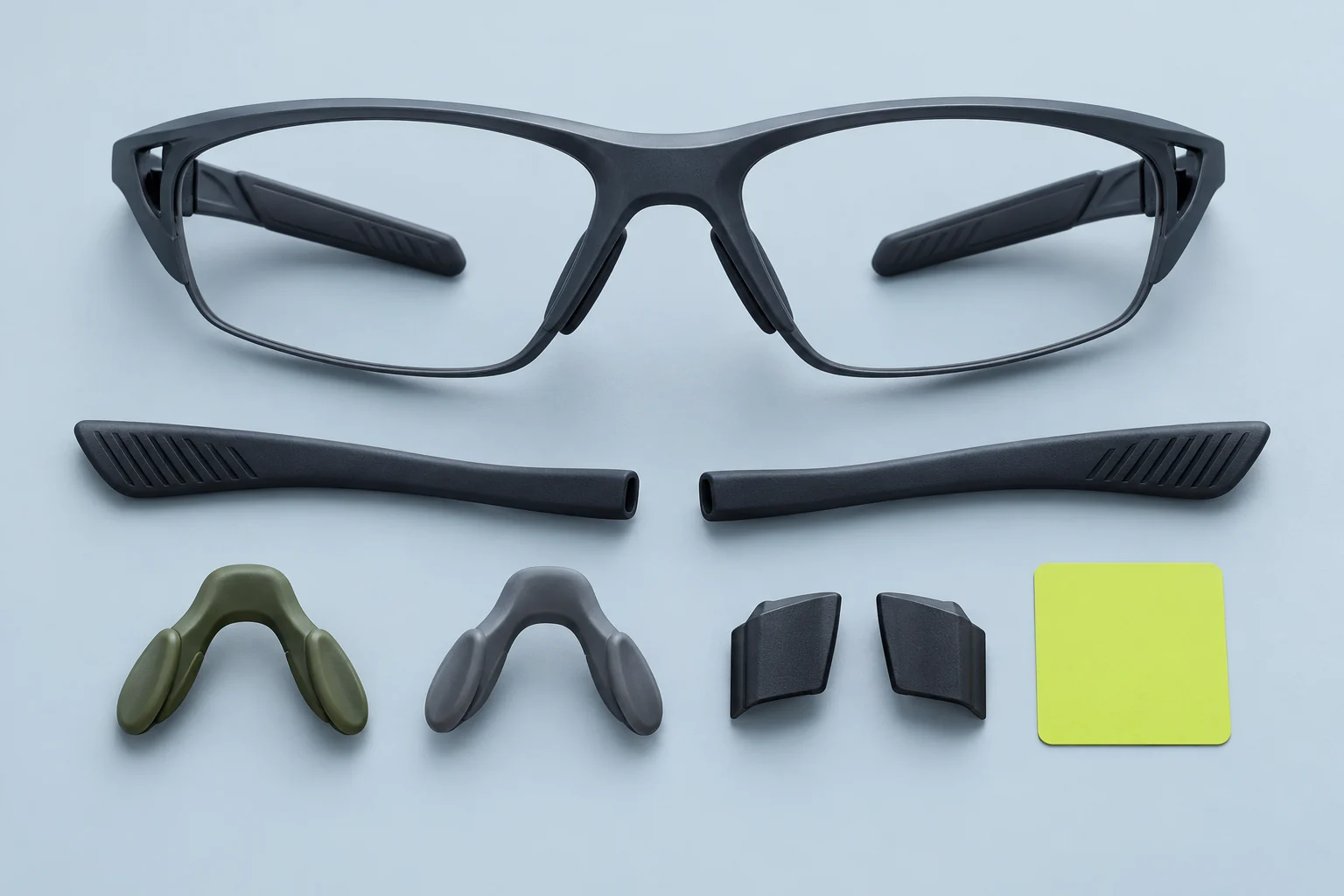
03 / From sample to record
Separate fit observations, component identification and colour direction before building the sample list.
Record both frame and part revisions. Hold differences open instead of silently replacing an older reference.
Download a local NOT SENT brief. A real buyer and supplier must still agree the evidence, scope and next action.
Read the sample-round method