Identity with a job to do.
A useful branding brief makes the kit easier to recognize and reorder. Define what belongs on each component before committing to a decoration process.
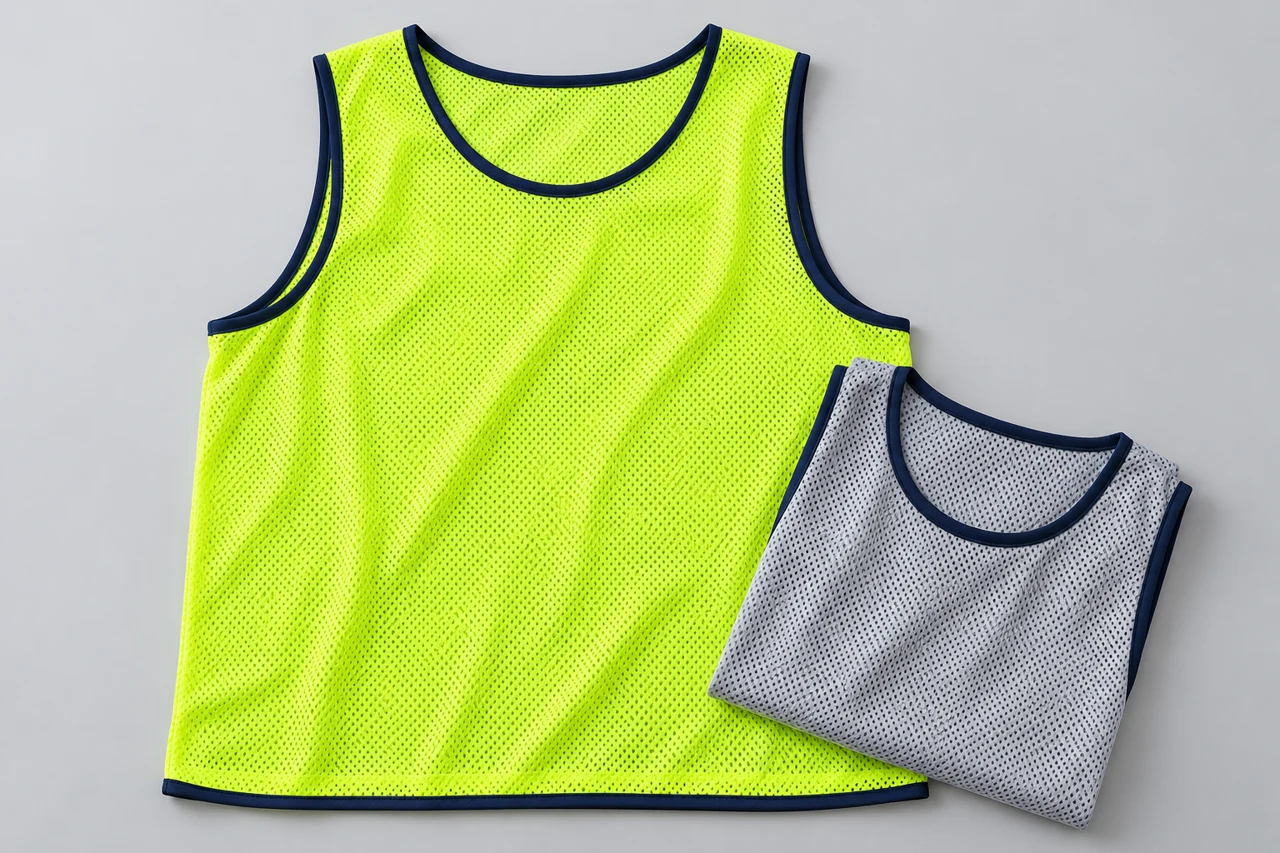
Original AI concept imagery. Materials, construction and dimensions require sample confirmation.
Create one artwork schedule.
Assign a reference to every mark: front duffel panel, bib front or back, small sack label and outer carton identifier. Keep the artwork file, dimensions, color reference and placement drawing together. The image concepts are deliberately unbranded so no decoration result is implied.
Match the method to the sample.
The worksheet offers a one-color placement study or an unbranded sample. Neither choice commits a supplier to a printing, transfer or embroidery process. Ask which method suits the actual material, where seams limit placement and what changes after decoration. Review a finished decorated sample before approving the production method.
On mesh, confirm coverage and show-through. On a woven duffel panel, review the backing and access required for the chosen process. Avoid approving from an artwork mockup alone.
Keep identity useful through reorders.
A practical label set can include your component code, kit code, color name and size. Keep those identifiers separate from commercial claims and destination-required labeling. Agree how a replacement component will be matched to the retained sample and how a new artwork revision will be tracked.
- Buyer supplies authorized artwork and placement intent.
- Supplier confirms feasibility and proposes a sample.
- Buyer reviews physical result and records a revision.
- Both sides lock the approved schedule before a quote is finalized.