Keep both sides of the interface.
A drive object can be described clearly while its counterpart is still unknown. Keep those two states separate.
Read the note →Start with a fastening object, keep its proposed configuration visible and take the unresolved interface questions into one separate discussion record.
03 OBJECT DOSSIERS / 06 FIELD NOTES / 16 COMPLETE PAGES
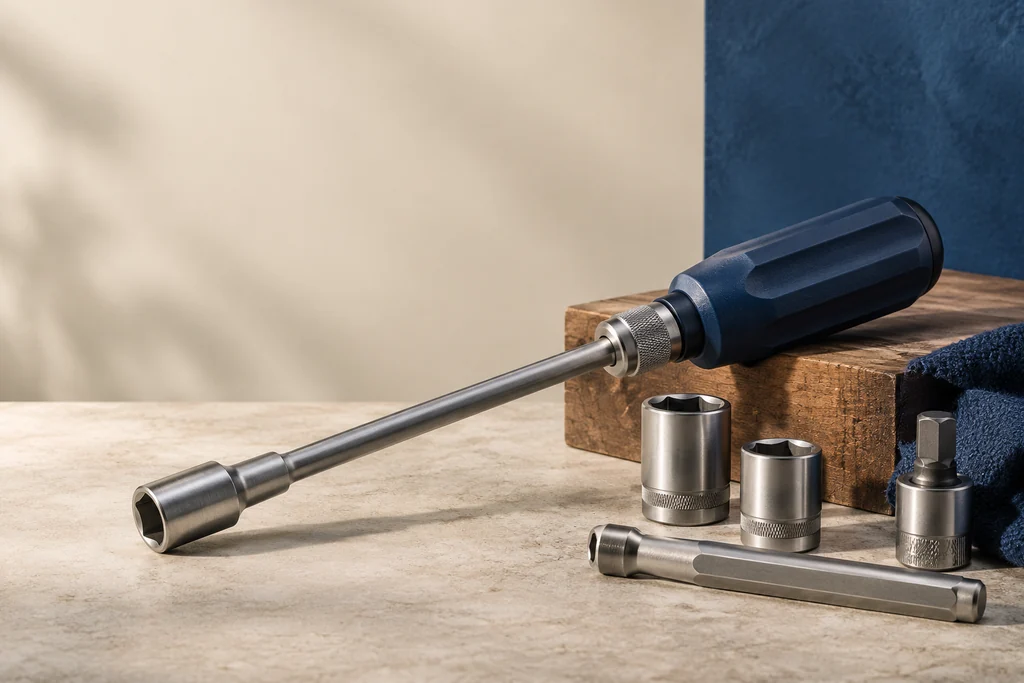
Original AI-generated appearance study. Fictional object; no material, dimension, capability or supplied configuration is established.
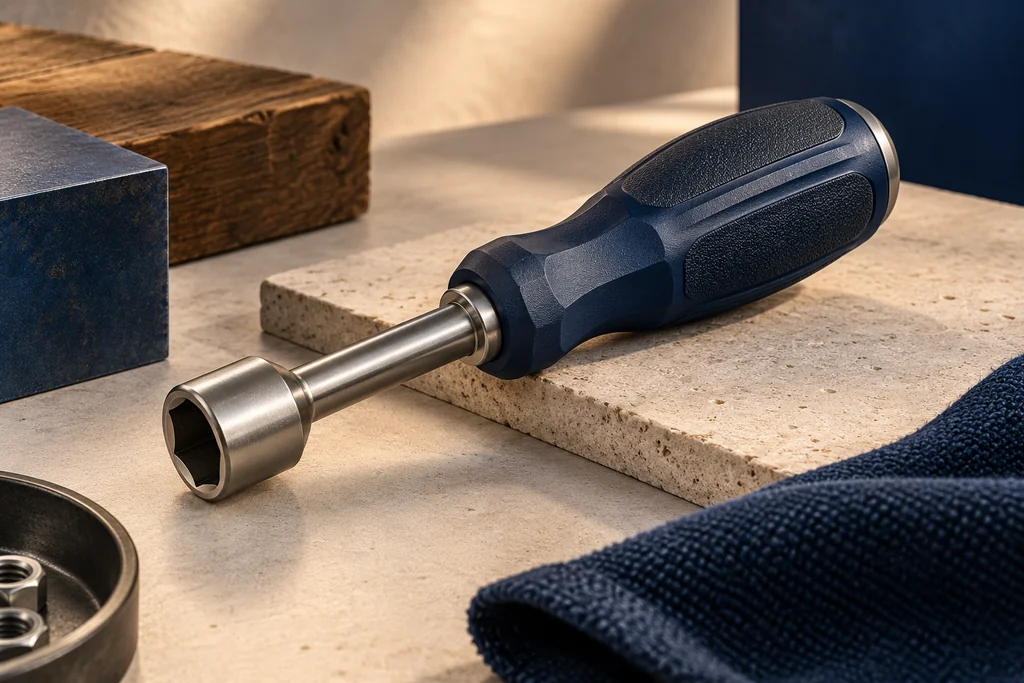
Separate the visible head from the interface reference needed for the actual discussion.
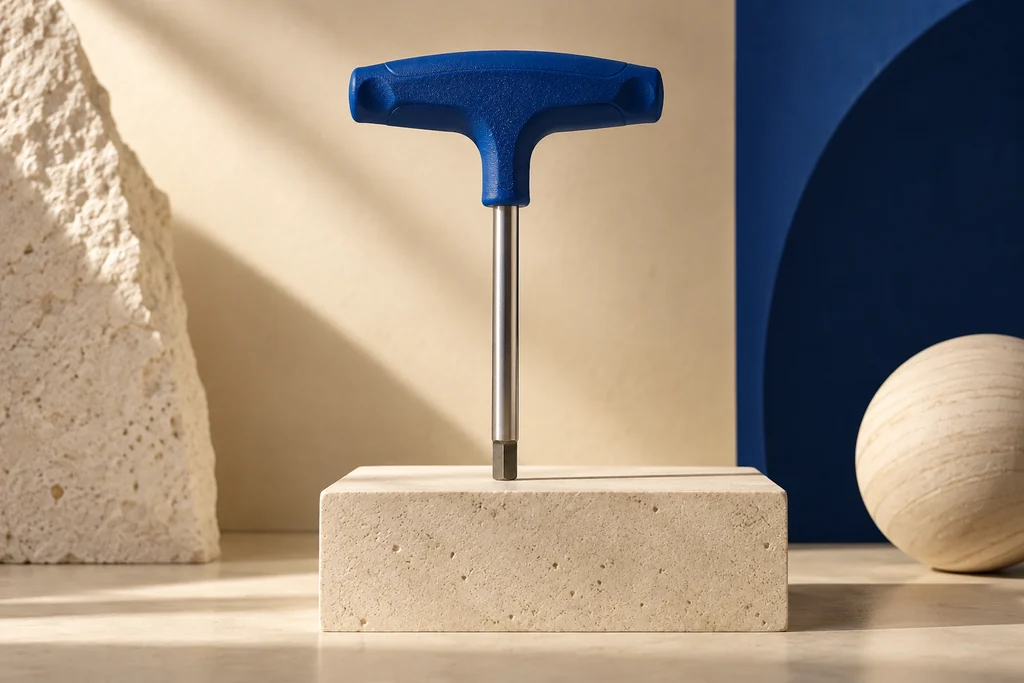
Keep the grip arrangement and the shaft identity together without assuming a matching fastener.
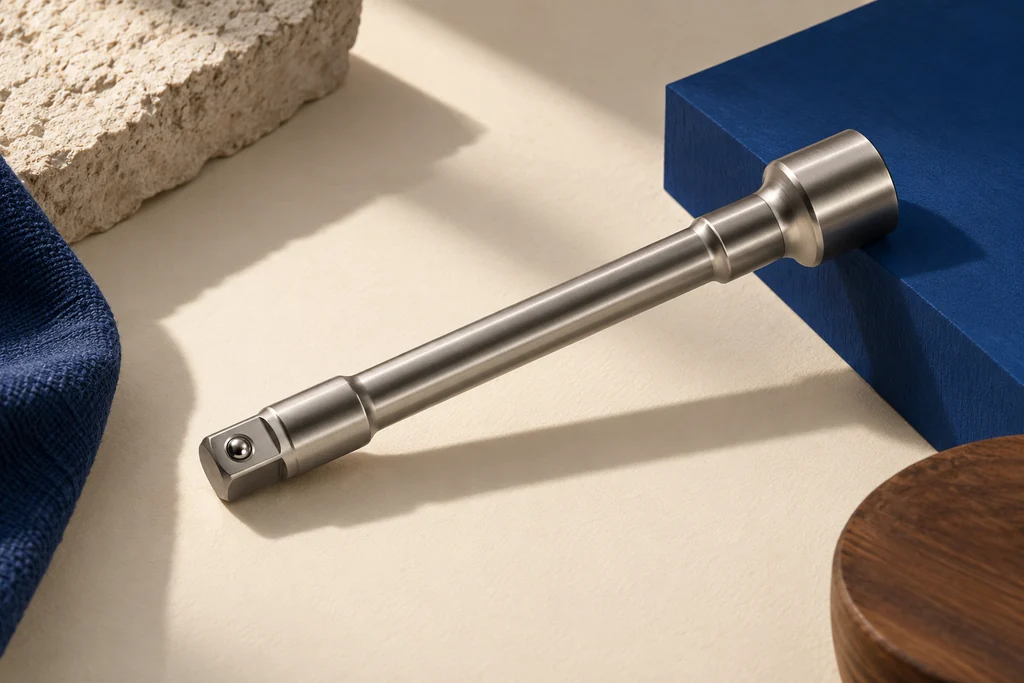
Discuss each end as a separate interface question rather than infer compatibility from the overall shape.
Original abstract SVG. Geometry and movement explain information organization; they do not establish an assembly, operation or approved set.
Work from a product identity to a configuration record, then review the current source document and the open interface question. A visual resemblance never establishes fit, torque, electrical isolation or a released supply configuration.
The workbench connects your selected object, fictional revision and unresolved question. A manual motion switch and reduced-motion preference keep the same information available without animation.
Open the discussion workspaceA drive object can be described clearly while its counterpart is still unknown. Keep those two states separate.
Read the note →A handle, head or extension proposal should be traceable to the object it changes.
Read the note →A finish concept can help a visual conversation without establishing a material or process.
Read the note →A sample discussion needs an object identity and a question, not a website approval badge.
Read the note →A range can share a visual language while packaging details differ by object and set.
Read the note →Separate a useful visual discussion from an engineering or commercial answer.
Read the note →