FICTIONAL BRAND · DEMO MATERIALS · NO SUPPLIER OFFERTEXTILE STUDIES / 2026

Product developers, material engineers and technical sourcing teams

Structure first. Claims later.

A development archive for knit-material conversations, from a surface reference to an identified sample and relevant evidence.

03 MATERIAL STUDIES / 16 COMPLETE PAGES

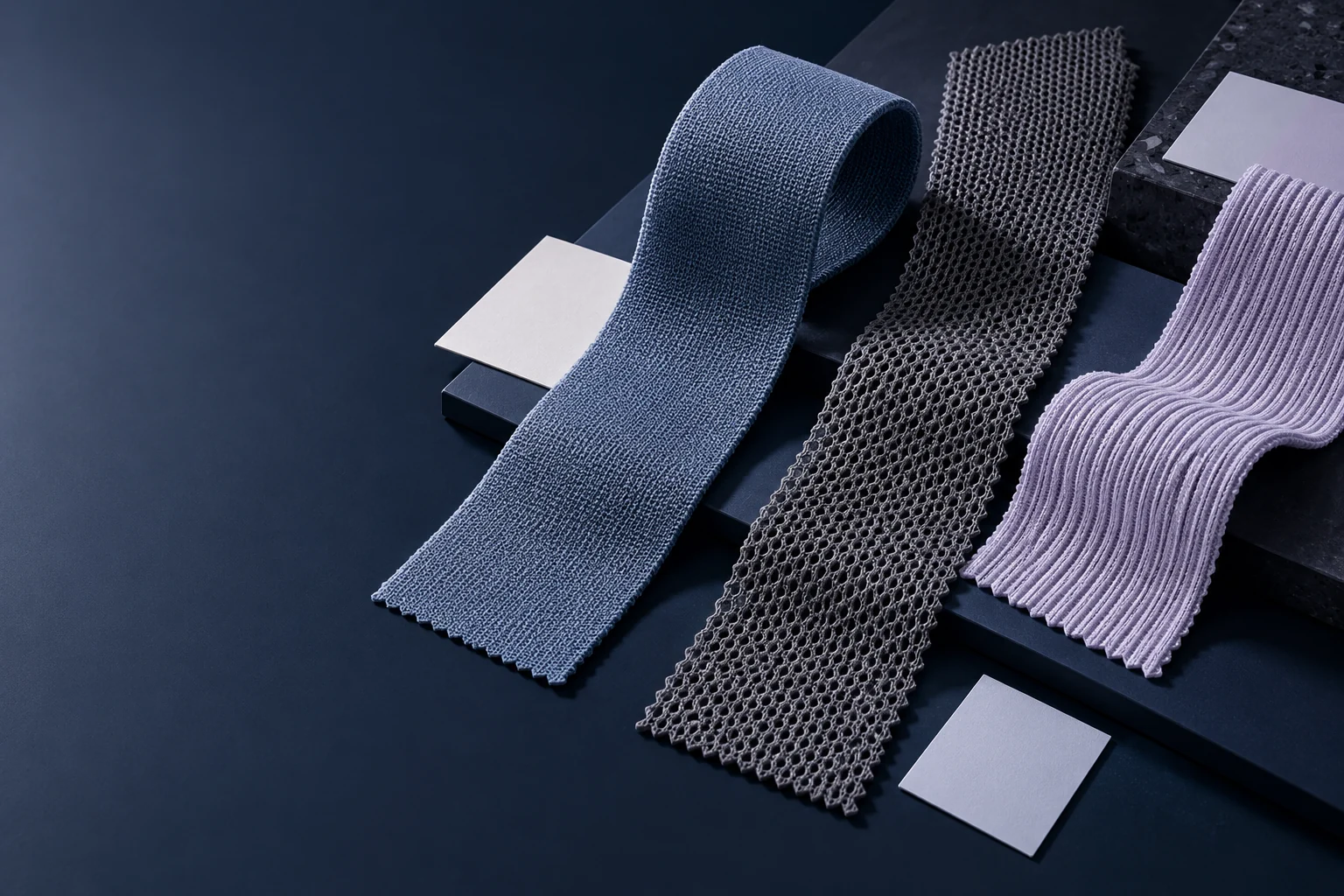
技术针织开发档案 — original AI concept
Original AI concept image · not an actual product photograph. Open the image for a closer look.

Specimens before specifications.

Each material has its own dossier, development questions and downloadable discussion record. All images and values remain fictional.

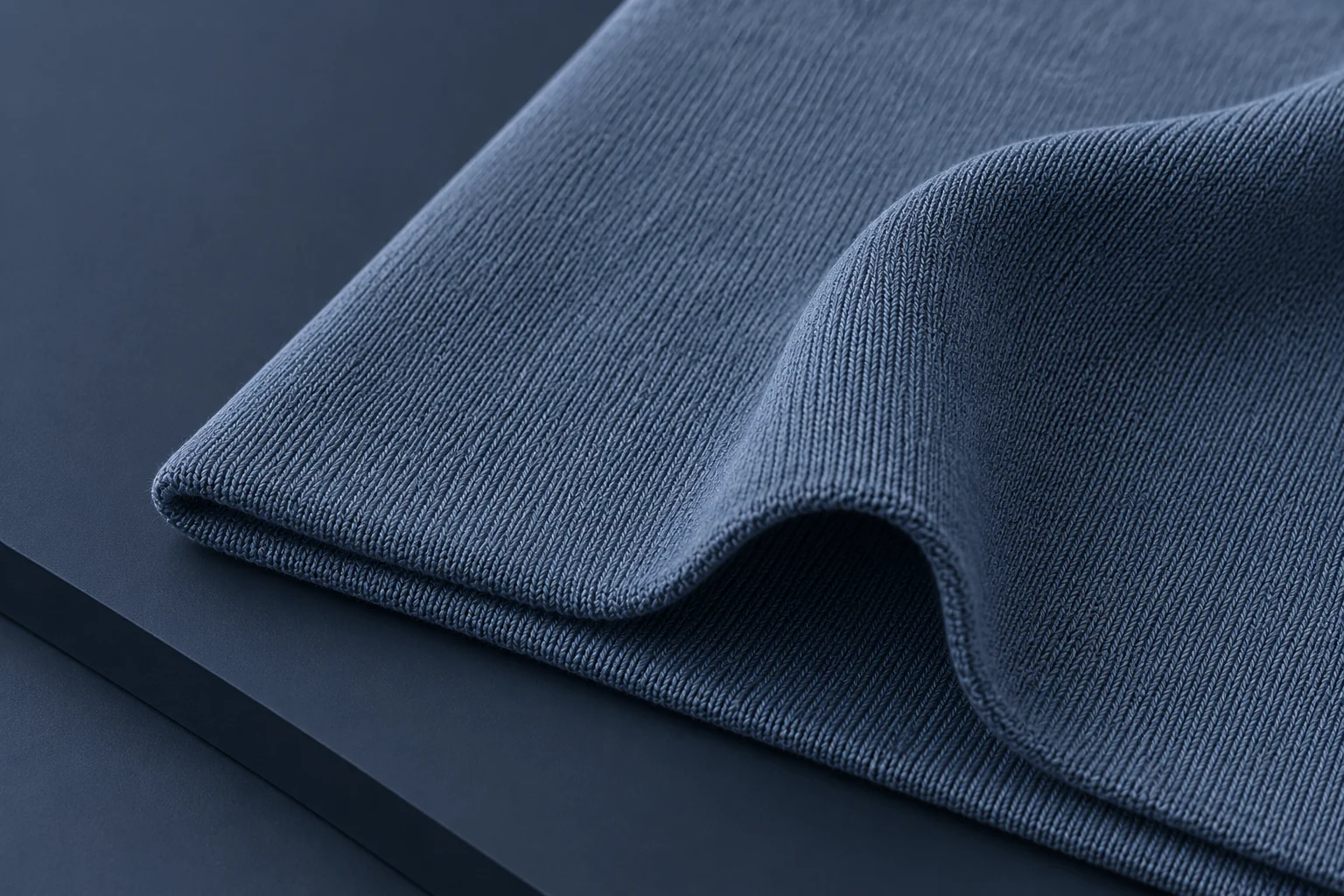
Surface Tricot — original AI concept
Original AI concept image · not an actual product photograph. Open the image for a closer look.
LP / 101 / Fine-knit visual study

Surface Tricot

A compact face for surface and assembly discussions.

Surface Tricot is a conceptual compact knit with a calm slate-blue face. It gives a material-development page a clear specimen identity before the discussion moves to construction, seam behaviour and the finished article. No fibre or stretch performance is inferred from its image.

Read the material dossier ↗
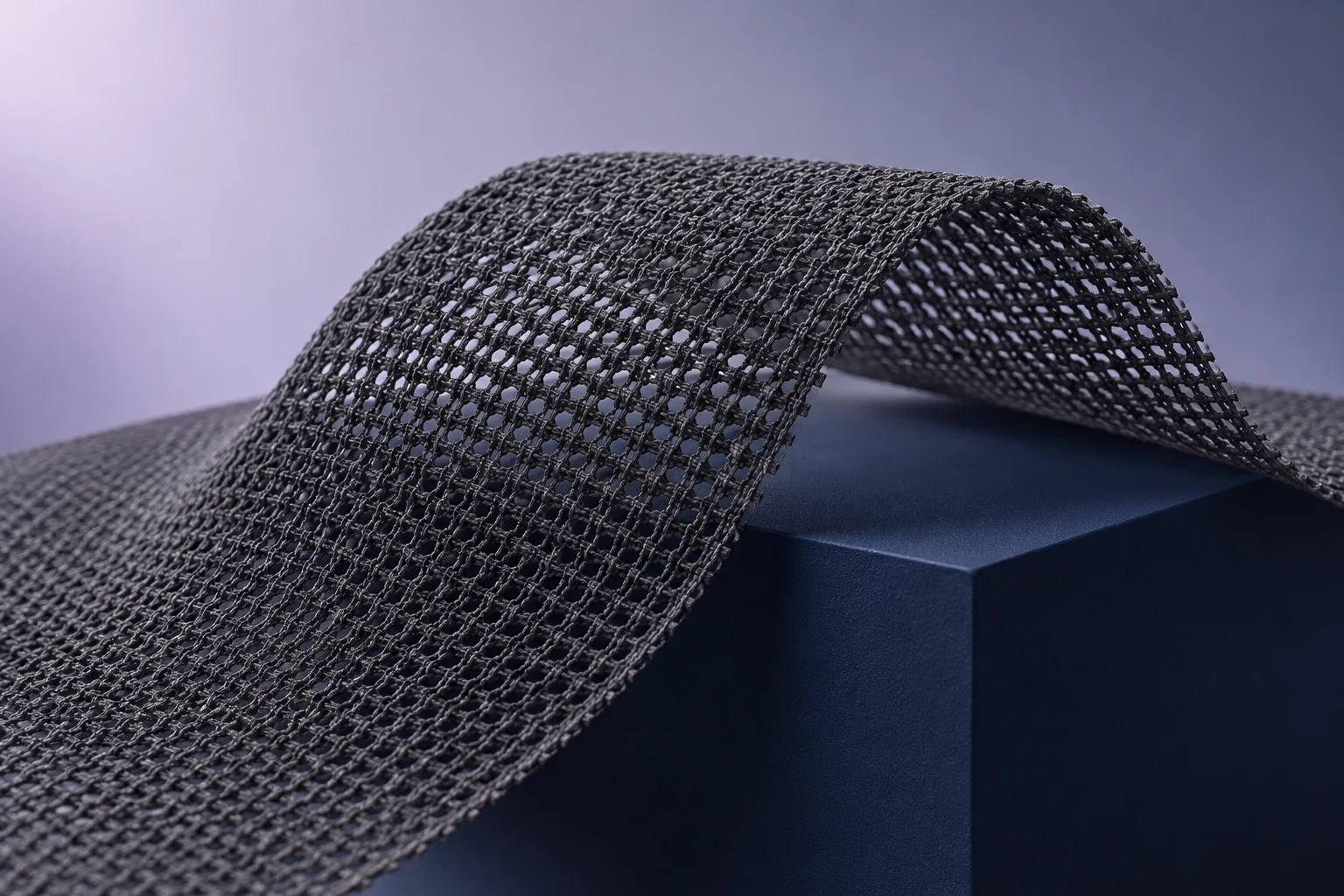
Open Mesh — original AI concept
Original AI concept image · not an actual product photograph. Open the image for a closer look.
LP / 102 / Open-knit visual study

Open Mesh

An open structure with edges that need their own review.

Open Mesh focuses on the relationship between the opening pattern, an adjacent layer and the cut edge. The concept makes these questions visible to a buyer without implying a measured air-flow result or a validated application.

Read the material dossier ↗
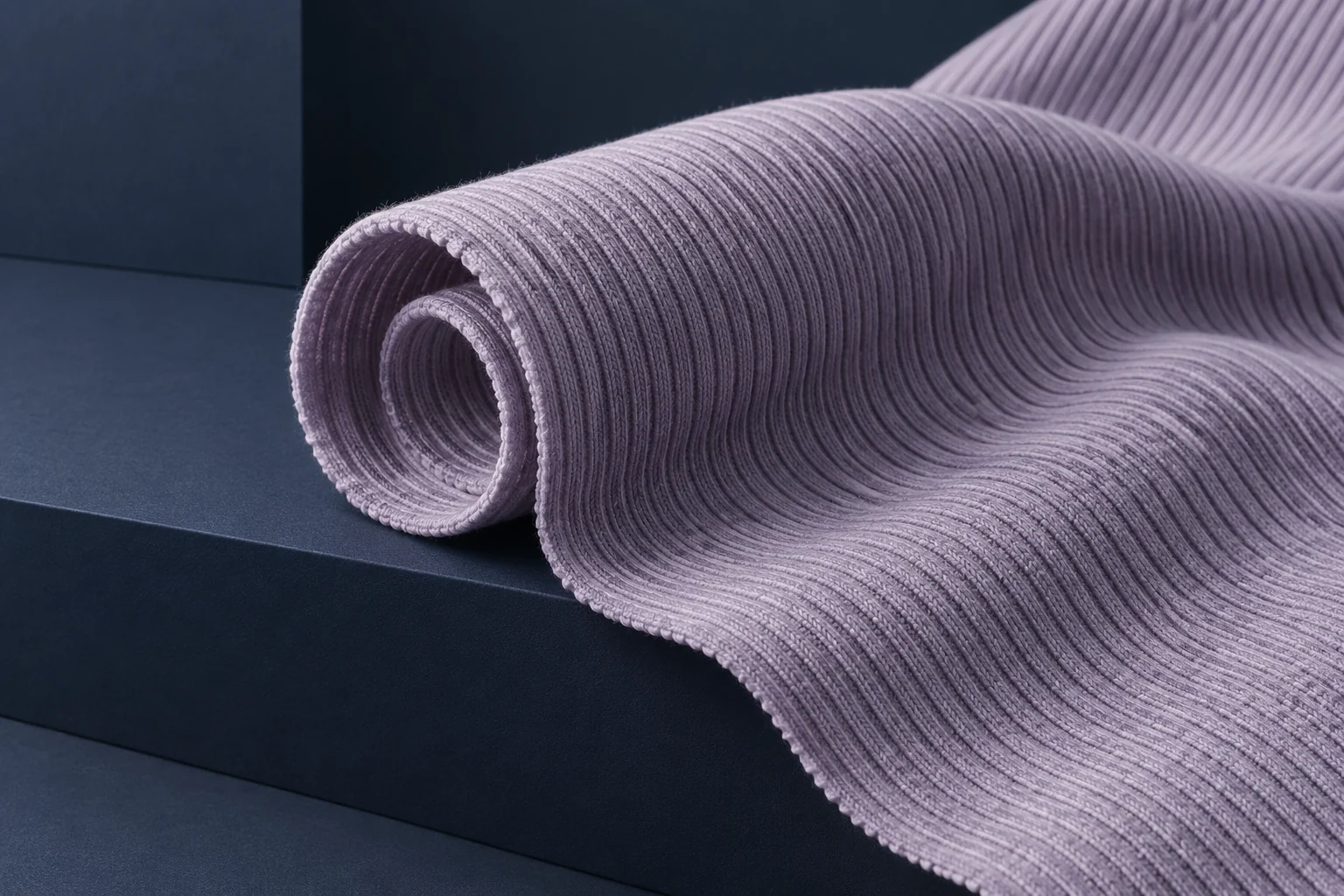
Contour Rib — original AI concept
Original AI concept image · not an actual product photograph. Open the image for a closer look.
LP / 103 / Rib-knit visual study

Contour Rib

A directional surface for joining and contour review.

Contour Rib presents a lilac directional surface as a development study. The design helps organise questions about orientation, adjoining materials and the appearance of a joined edge, without presenting a stretch ratio or recovery claim.

Read the material dossier ↗

The construction lab

Look beneath the face.

Switch between the face, loop and edge questions. The animated drawing is a conceptual teaching diagram, not a knitting plan, microscopy image or measured performance model.

Open the construction lab ↗

Start with a purpose.

Name the development article, the preferred specimen and its face or orientation. Include the drawing and proposed adjoining materials through a verified project channel, and explain what the next sample must help decide.

Start with the intended article, specimen code and current drawing. List the material questions separately from the assembly questions, then agree the next sample or measurement needed to answer each one.

Read the buyer guide ↗

A CLEARER NEXT DISCUSSION

Take the material questions with you.

Prepare a local sample brief with the concept and review context. It stays NOT SENT; no supplier approval or reservation is created.

Save a sample brief ↗