DEMO / ORIGINAL DESIGN / FICTIONAL COMPANYTemplate collection
RIVET & ROAMCARRY GOODS / DEVELOPMENT STUDIES

CARRY GOODS / DEVELOPMENT STUDIES

Find the right carry format.

Start with the carrying occasion, then compare capacity and construction. Each design is a specification study you can use to shape a local sample brief.

3 example concepts

01Everyday
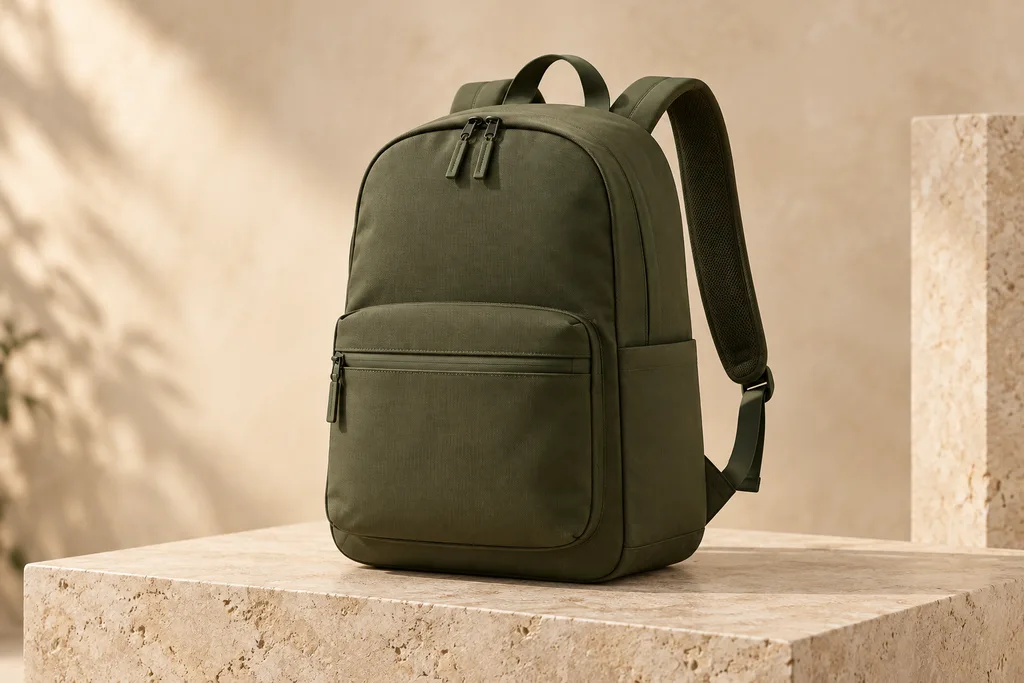
Original AI concept product scene: Commute / 18

RR-C18 / Technical textile

Commute / 18

A structured daypack study with a wide zip opening and separate internal organizer panel.

Construction & sample
Nominal capacity
18 L · concept
Outer envelope
43 H × 29 W × 16 D cm
Face material
600D textile · example
02Short travel
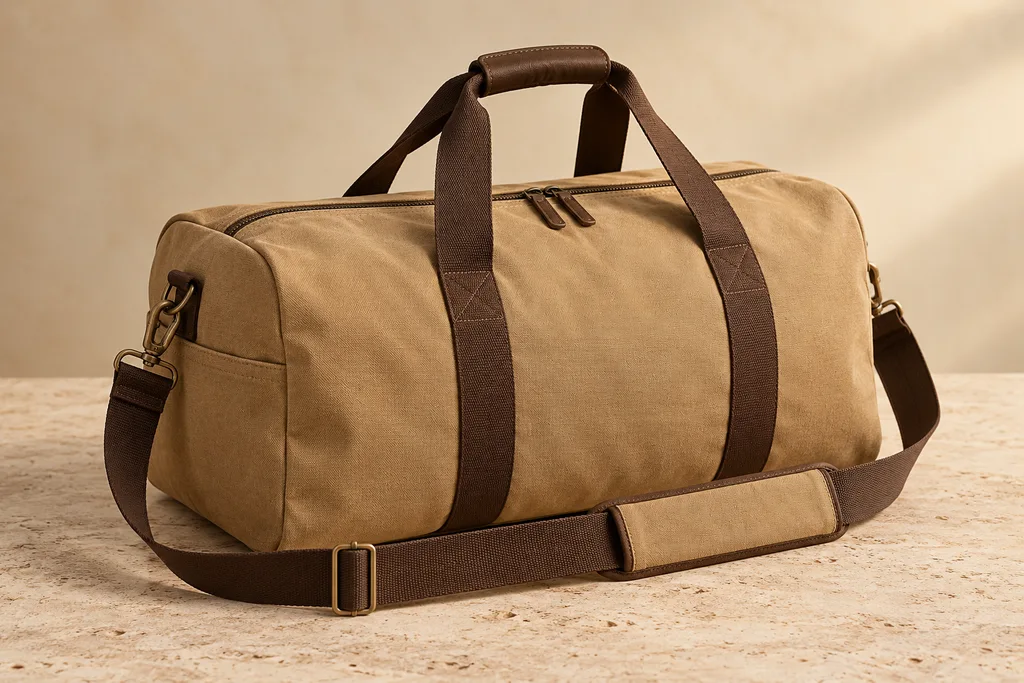
Original AI concept product scene: Weekender / 30

RR-W30 / Canvas

Weekender / 30

A canvas duffel concept organized around an open main bay, webbing handles and a removable shoulder strap.

Construction & sample
Nominal capacity
30 L · concept
Outer envelope
48 W × 30 H × 23 D cm
Face material
11 oz canvas · example
03Packable
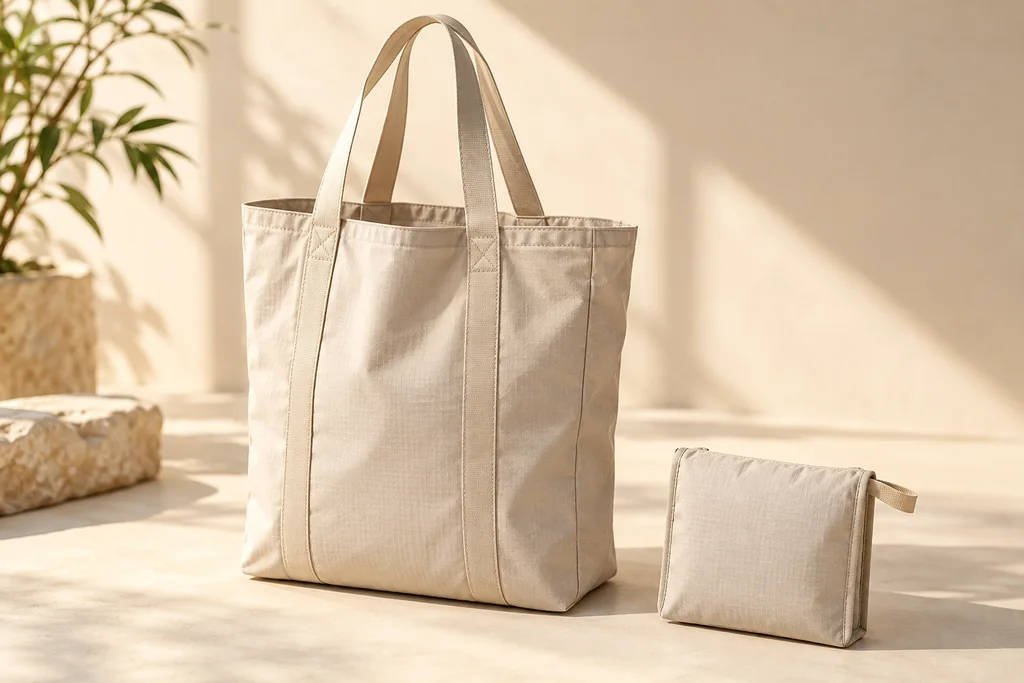
Original AI concept product scene: Foldaway / 16

RR-F16 / Lightweight weave

Foldaway / 16

An unstructured tote study with a generous opening and a pocket that becomes its folded storage pouch.

Construction & sample
Nominal capacity
16 L · concept
Outer envelope
38 W × 40 H × 12 D cm
Face material
Lightweight weave · example

NEXT / DEFINE THE SAMPLE

A better bag brief starts inside.

Prepare an item list, carrying occasion and reference dimensions. A nominal litre value alone does not define a bag.

Read the buyer guide