Bring the question that will change the next decision.
Identify a product-family direction, the intended opening or dispensing task and the question the sample should answer. Bring existing component references if you have them, but do not place confidential formula or commercial information in this demo. A sketch or visual mood does not have to masquerade as a specification.
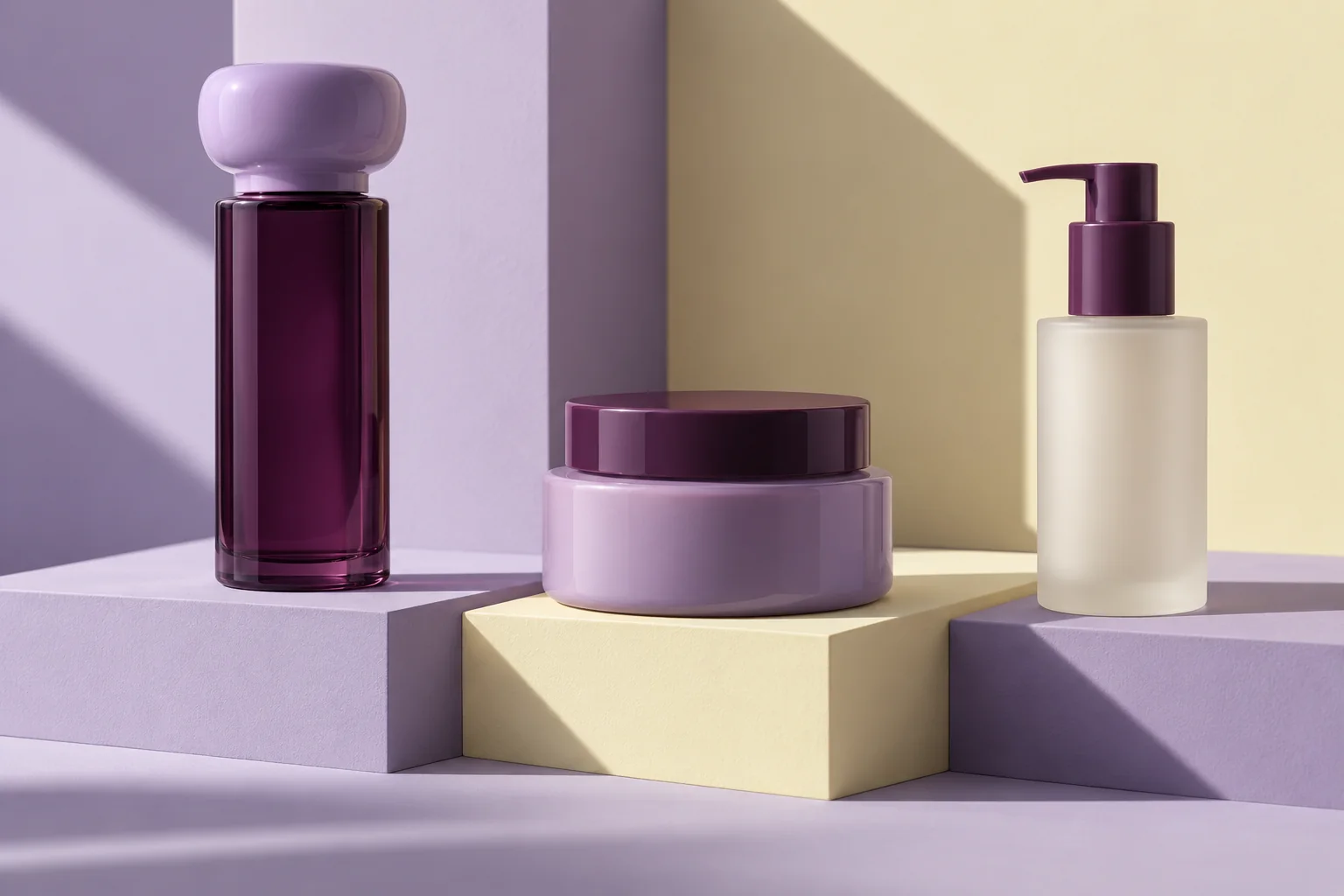
Original AI concept · appearance only · no physical sample represented
01 / BUYER PREPARATION
Before asking for a sample
Identify a product-family direction, the intended opening or dispensing task and the question the sample should answer. Bring existing component references if you have them, but do not place confidential formula or commercial information in this demo. A sketch or visual mood does not have to masquerade as a specification.
02 / BUYER PREPARATION
Before comparing offers
For a real procurement process, ask suppliers to state what is included: components, decoration, tooling assumptions, sample scope and the documents available for review. Confirm quantities, commercial terms and timing directly. No MOQ, pricing, delivery promise or production capacity is invented on this site.
03 / BUYER PREPARATION
Before treating a sample as approved
Name the exact component, decoration and formula versions involved. Confirm who owns each acceptance decision. An empty appearance sample and a filled-pack evaluation may require separate records. Keep deviations visible and clarify what remains unresolved instead of converting a checklist into a pass certificate.
04 / BUYER PREPARATION
Before releasing a change
If a component, material grade or artwork revision changes, ask what earlier evidence still applies. Keep the last approved sample and the changed proposal distinguishable. Our local sample brief is a starting point for this conversation; it is not a purchasing document or an acceptance record.