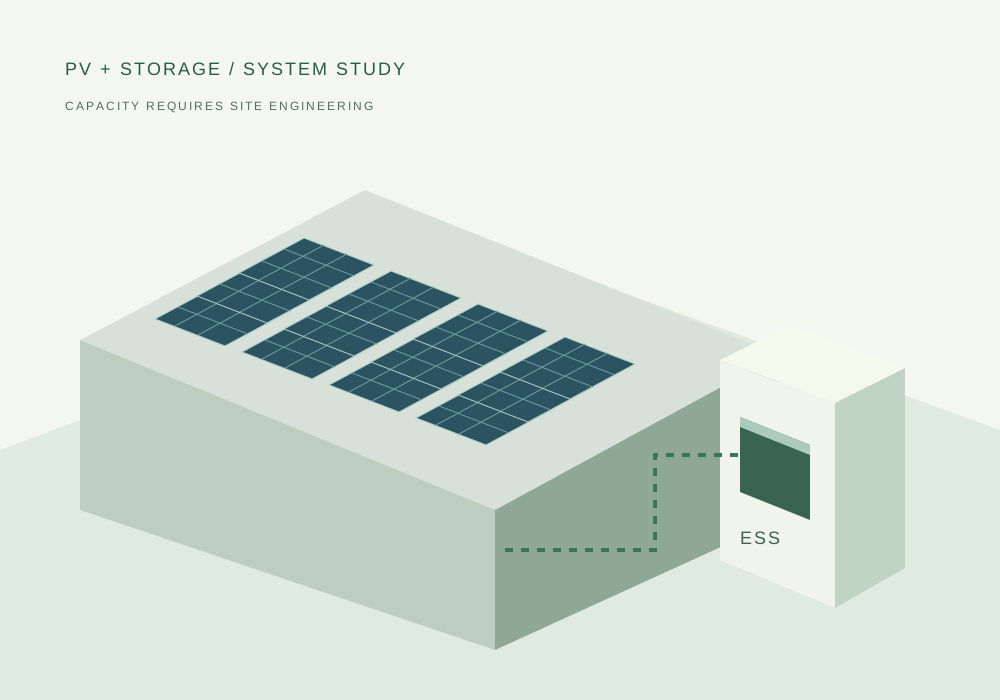
Module interface HG-P450
PV module study
An illustrative PV module profile for a system component inquiry, with electrical interface questions kept visible.
- Example nameplate
- 450 W
- Module format
- 1,900 × 1,130 mm · example
COMPONENTS FOLLOW THE SYSTEM
A useful PV and storage conversation starts with your role, site and interface requirements. Prepare a technical RFQ, without automated sizing or return estimates.
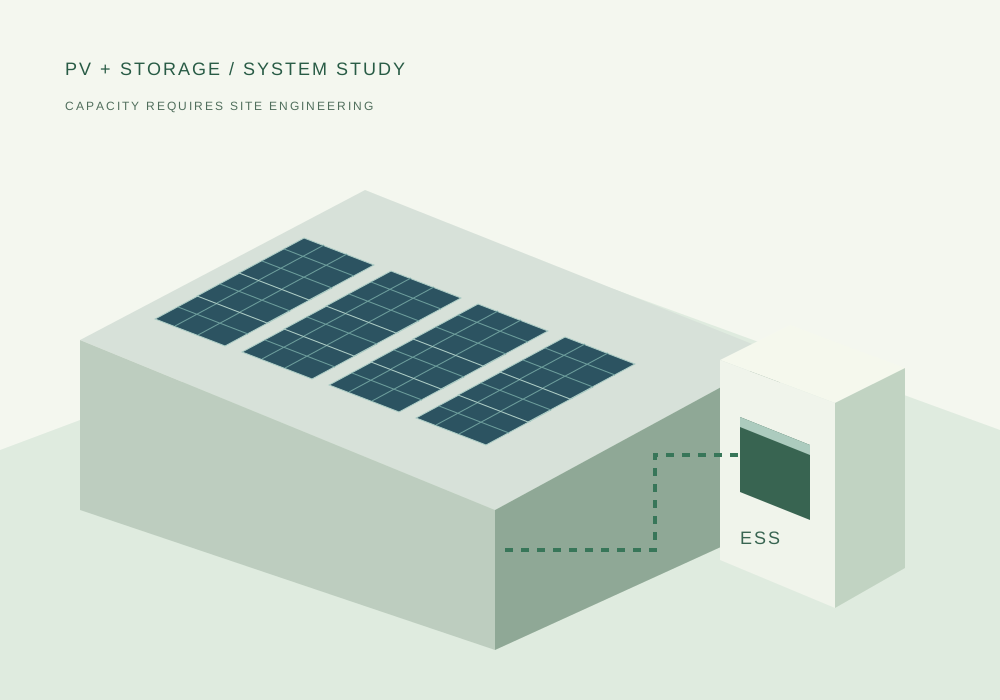 PV ↔ STORAGE ↔ LOAD
Energy systems
Module interface HG-P450
An illustrative PV module profile for a system component inquiry, with electrical interface questions kept visible.
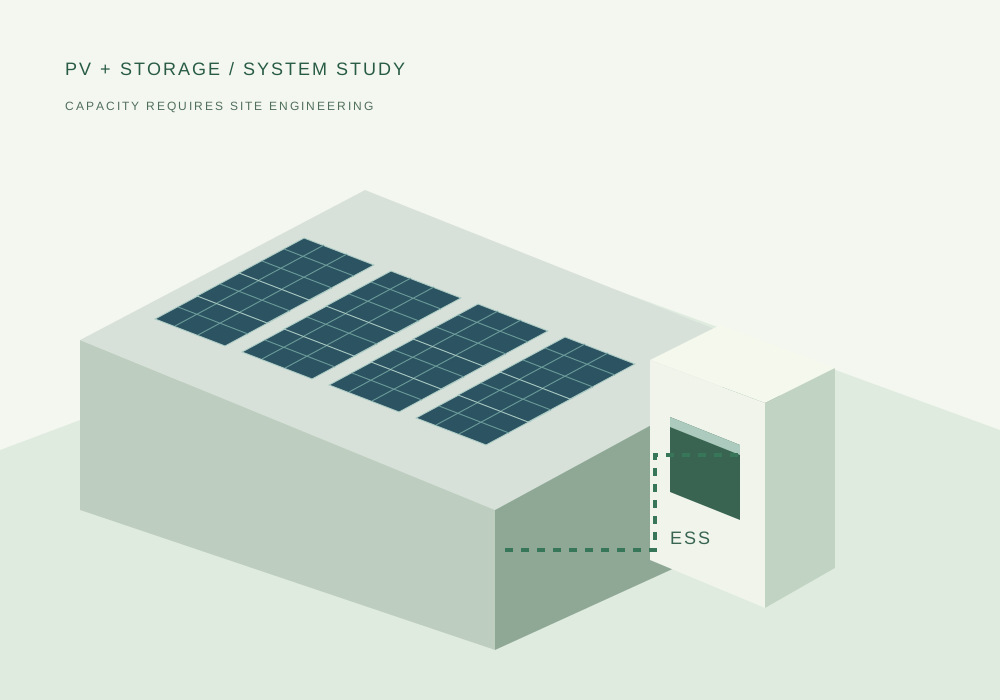
Commercial system scope HG-S100
A cabinet concept to organize a commercial storage RFQ around energy, power and integration responsibilities.
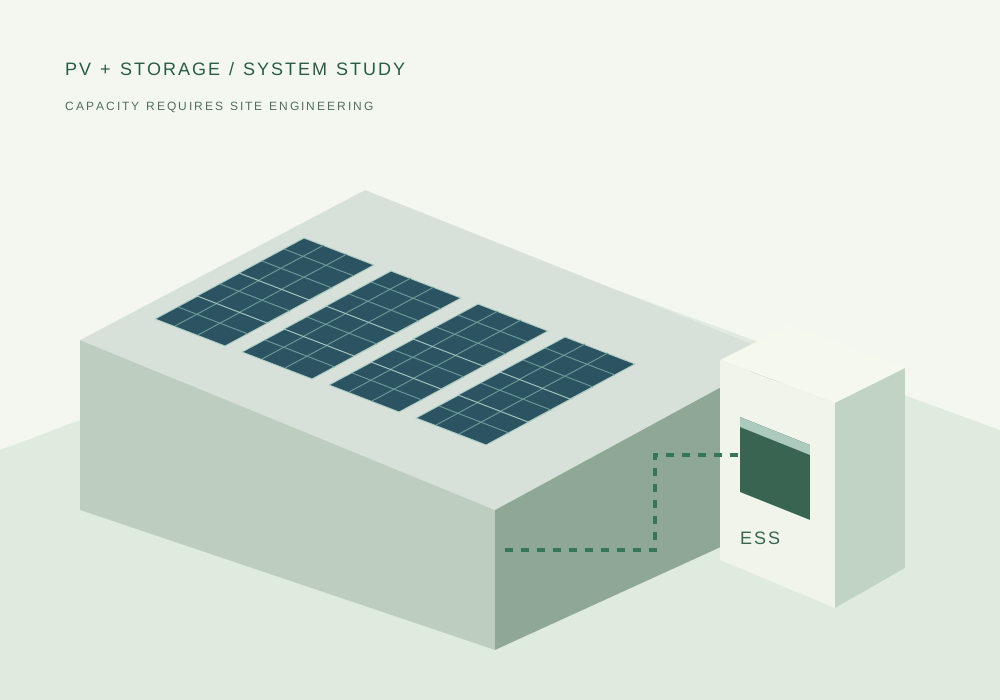
Module integration HG-R5
A rack module concept for a component discussion. Nameplate energy alone does not determine a safe system.
Separate PV, storage, inverter and integration responsibilities. Role-specific questions reduce ambiguity.
Voltage, control, protection, grid and installation conditions need an engineering review.
Request configuration-specific documents and a commissioning scope; avoid treating nameplate capacity as a complete design.
A CLEARER NEXT STEP